Pumps & Workshop Overhaul for Dye & Pigment Industry
Dye industry pumps and repair in Gujarat — corrosion-resistant magnetic drive and PFA lined pumps for dye, pigment, and intermediate manufacturing.
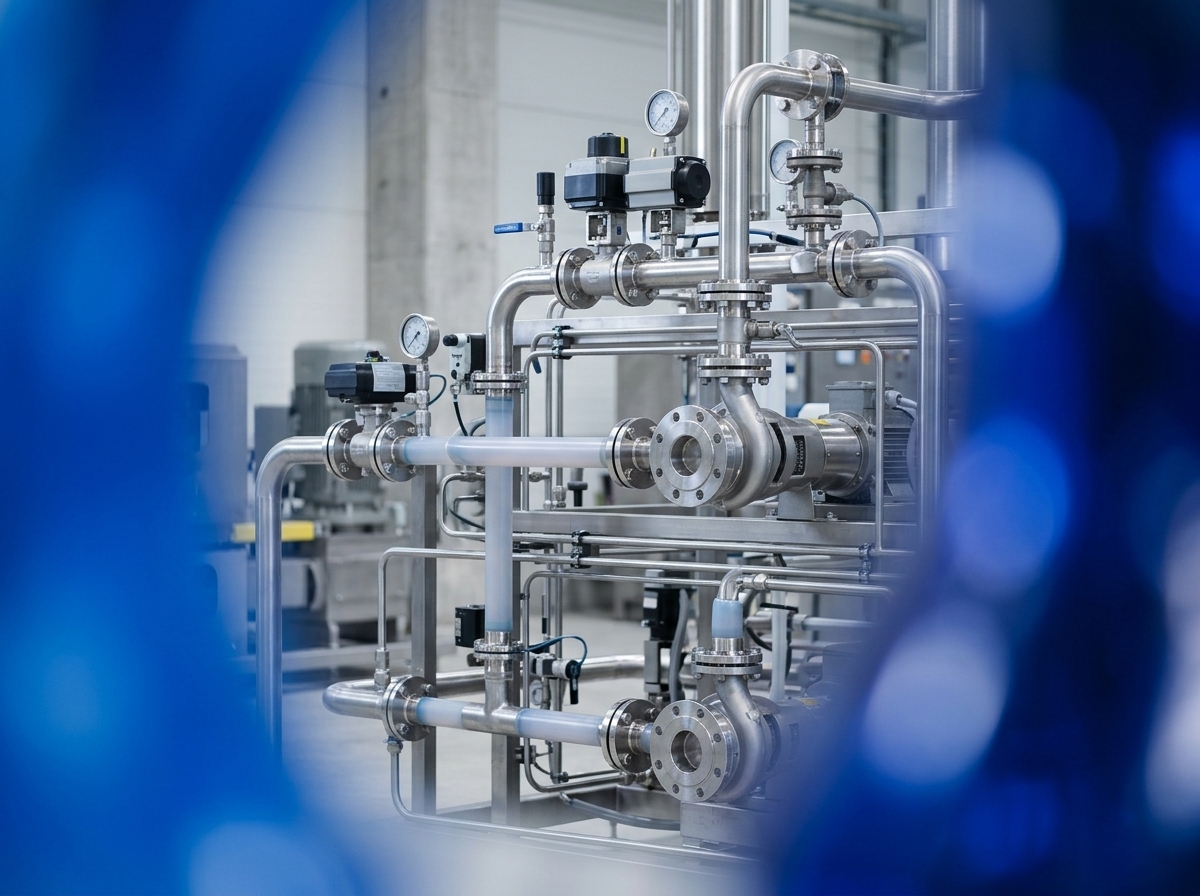
Dye & Pigment Industry Fleet Specs
- 4 Types
- Pump Range
- 4 Modes
- Failure Solved
- Tested @ 1.5x PN
- Pressure & dynamic balance verified
- Gujarat Fast Response
- Ahmedabad, Vadodara, Ankleshwar
How we solve corrosive & critical fluid duties in dye & pigment industry
Gujarat is an internationally recognized manufacturing hub for synthetic dyes, organic pigments, and chemical intermediates, centered around Ahmedabad's industrial corridors (Vatva, Naroda, Odhav) and the Ankleshwar-Panoli chemical cluster. Synthesizing reactive dyes, direct colors, optical brighteners, and phthalocyanine pigments requires aggressive reaction steps—including nitration, sulfonation, diazotization, and coupling—handling boiling concentrated mineral acids, strong alkaline liquors, and hazardous organic solvents that destroy ordinary metallic pumps within weeks of operation.
We engineer, manufacture, and overhaul sealless magnetic drive centrifugal pumps for toxic intermediate transfer, virgin PFA and PTFE lined centrifugal process pumps for hot acid reactors, and solid polypropylene/PVDF pumps for routine chemical transfer. Our Ahmedabad workshop is trusted by color manufacturers across Gujarat for precision component overhauls, high-voltage spark testing, and rapid turnaround on critical production pumps.
Which pumps dye and pigment plants use Dye and pigment manufacturing plants operate specialized pump families tailored to severe chemical exposure: 1. Virgin PFA & PTFE Lined Centrifugal Pumps: Handling boiling concentrated sulfuric acid (98% H2SO4) and hydrochloric acid (33% HCl) at temperatures up to 180°C during sulfonation, nitration, and diazotization reaction stages. 2. Sealless Magnetic Drive Centrifugal Pumps: Transferring hazardous solvent mixtures, volatile aromatic intermediates, and fuming acids with zero fugitive emissions and zero leakage. 3. Solid Polypropylene & PVDF Process Pumps: Moving acidic mother liquors, brine solutions, and caustic washdown streams across intermediate synthesis stages. 4. Heavy-Duty Filter Press Feed Pumps: Supplying high-solids pigment filter cakes and crystalline slurries to recessed chamber filter presses under pressures up to 16 bar.
Common failure patterns in dye plants Dye synthesis environments subject rotating equipment to harsh wear mechanisms: - Aggressive mineral acid permeation through inferior, thin polymer linings that causes blistering and casing corrosion. - Thermal shock fracturing on silicon carbide mechanical seal faces during exothermic batch additions and sudden temperature transitions. - Abrasive scouring and wear-ring clearance opening from crystalline pigment precipitates and press cake solids. - Pump casing fractures resulting from uncompensated thermal expansion and severe pipe nozzle strain. Our engineering overhaul isolates the specific chemical, hydraulic, and thermodynamic failure mechanisms, verifies material compatibility, and performs 15–20 kV non-destructive dielectric spark testing on all fluoropolymer linings before reassembly.
Repair, overhaul, and testing standards We rebuild dye plant pumps using certified materials: direct-sintered silicon carbide seal faces, virgin PFA/PTFE liners, Hastelloy-C shaft sleeves, and FFKM elastomers. Every repair follows strict engineering standards: chemical neutralization, dimensional inspection on lathe centers (< 0.015 mm TIR), high-voltage lining spark testing, dynamic rotor balancing to ISO 5199 Grade G2.5 (< 1.0 g·mm/kg), and hydrostatic pressure testing before dispatch.
Working with dye manufacturers We partner with dye and intermediate manufacturers across Vatva, Naroda, Odhav, and Ankleshwar, providing on-site technical diagnostics, root-cause failure analysis, and structured Annual Maintenance Contracts (AMC). Our engineering team coordinates scheduled inspections and spare parts stocking to minimize unplanned plant shutdowns and ensure total fluid containment.
Interactive Chemical Metallurgy & Temperature Compatibility Matrix
ISO 5199 / API 685 Fluoropolymer & Superalloy Standards| Material of Construction | Classification | Max Temp Limit | Compatibility Status @ 65°C |
|---|---|---|---|
Virgin PFAStandard | Fluoropolymer Lining | 160°C | Recommended (A - Zero Corrosion) |
Virgin PTFEStandard | Fluoropolymer Solid/Lined | 150°C | Recommended (A - Zero Corrosion) |
PVDF | Fluoropolymer Thermoplastic | 90°C | Satisfactory (< 2 mpy Corrosion) |
Polypropylene | Commodity Thermoplastic | 60°C | Thermal Derating Exceeded (> 60°C) |
Hastelloy C-276Standard | High-Nickel Superalloy | 110°C | Recommended (A - Zero Corrosion) |
SS316L | Austenitic Stainless Steel | 25°C | Severe Corrosion / Rapid Failure (X) |
SSiC Silicon CarbideStandard | Sintered Ceramic Seal Face | 180°C | Recommended (A - Zero Corrosion) |
Severe oxidizing acid at high concentration. Virgin PFA and PTFE linings provide total chemical inertness up to 160°C. SSiC mechanical seal faces prevent chemical grooving.
Severe Operating Challenges & Teflow Solutions
Common root causes of pump failure in dye & pigment industry and how our rotating equipment engineers eliminate them.
Aggressive intermediates
Mitigated via pure fluoropolymer wetted liners, silicon carbide (SSiC) thrust faces, and seal flush plans aligned to fluid vapor pressure.
Hot acid handling
Mitigated via pure fluoropolymer wetted liners, silicon carbide (SSiC) thrust faces, and seal flush plans aligned to fluid vapor pressure.
Leak containment
Mitigated via pure fluoropolymer wetted liners, silicon carbide (SSiC) thrust faces, and seal flush plans aligned to fluid vapor pressure.
Material compatibility
Mitigated via pure fluoropolymer wetted liners, silicon carbide (SSiC) thrust faces, and seal flush plans aligned to fluid vapor pressure.
Recommended Chemical Pumps
Specified and manufactured for continuous operation in aggressive chemical and process environments.
Magnetic Drive Pumps
Engineered for duty in dye & pigment industry with zero emissions, robust metallurgy, and full spare parts availability.
Teflon Diaphragm Pumps
Engineered for duty in dye & pigment industry with zero emissions, robust metallurgy, and full spare parts availability.
Centrifugal Chemical Pumps
Engineered for duty in dye & pigment industry with zero emissions, robust metallurgy, and full spare parts availability.
Frequently Asked Questions
Clear answers regarding pump selection, seal flush plans, corrosion resistance, and plant maintenance contracts.
Ready to optimize pump uptime in your dye & pigment industry facility?
Speak directly with our rotating equipment engineers in Ahmedabad. We confirm chemical compatibility, seal arrangements, and supply or overhaul schedules.